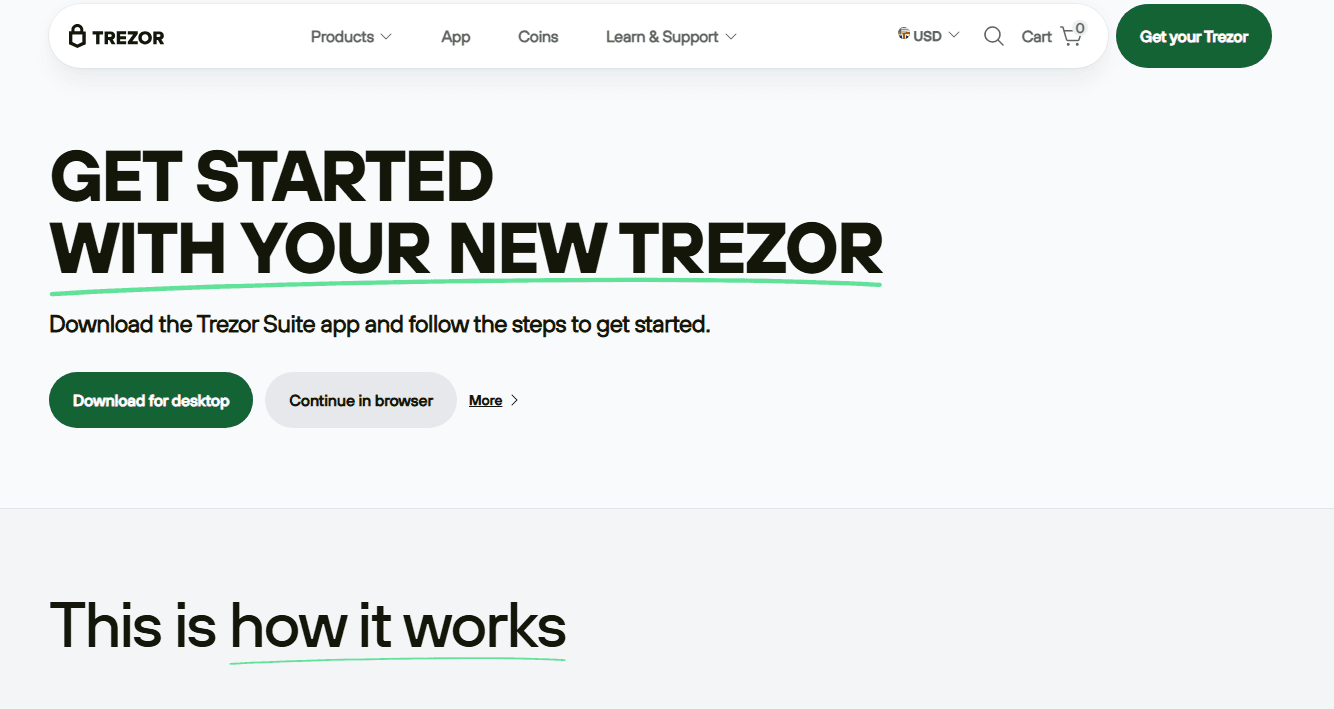
Trezor.io/Start – Complete 1200-Word Guide to Setting Up and Using Your Trezor Device
Getting started with a Trezor hardware wallet begins at the onboarding process commonly associated with the phrase trezor.io/start. This is where users learn how to initialize their device, create a secure recovery seed, install the companion software, and begin managing their crypto assets with complete control and offline protection. Since Trezor wallets are designed to keep your private keys isolated and secure, the setup process is intentionally thorough but easy to follow, even for beginners.
Below is a detailed, freshly written, step-by-step guide of approximately 1200 words explaining everything you need to know to start using your Trezor wallet safely and confidently.
Introduction to Trezor and the Purpose of the Setup Journey
Trezor is one of the most respected names in the world of hardware wallets. Unlike software wallets or online custodial services, a Trezor device provides offline key storage, meaning your private keys never touch the internet. The setup journey ensures that every Trezor device is initialized by the user alone—never preconfigured by a third party—and that recovery information is stored securely.
When someone refers to “trezor.io/start,” they are referring to the onboarding process where the user:
Sets up their device
Writes down their recovery seed
Installs Trezor Suite software
Creates their crypto accounts
Learns how to send, receive, and safeguard assets
This setup path is essential because your security depends entirely on doing these steps correctly.
Step 1: Unbox Your Trezor Device
Inside the box, you will typically find:
The Trezor hardware wallet (Model One or Model T)
A USB cable for connection
A set of recovery phrase cards
Instructions and security seals
Stickers or accessories
Before you proceed, check the packaging for any signs of tampering. Hardware wallets should always arrive sealed and intact. If anything seems unusual, do not plug the device in until you confirm its authenticity.
Step 2: Power On the Device and Begin the Setup
Connect your Trezor device to your computer using the provided USB cable. The screen on the device will light up and display a welcome message. At this stage, the device has not yet generated a recovery phrase or created a secure environment.
You will be prompted to move forward with either:
Creating a new wallet
Recovering a wallet from an existing seed phrase
For new users, creating a new wallet is the correct path. This ensures that your private keys are generated directly inside the device and nowhere else.
Step 3: Download and Install Trezor Suite
Trezor Suite is the official desktop application used to manage your hardware wallet. It acts as the interface through which you view balances, verify addresses, confirm transactions, and manage supported coins.
Once installed, open the application and connect your Trezor device. The suite will automatically recognize it and guide you through the initial setup steps, including firmware installation if necessary.
It is essential to always use the official Trezor software because it contains built-in security features, regular updates, and protection against unauthorized interactions.
Step 4: Install the Firmware on Your Device
A new Trezor device typically comes without firmware installed. This is intentional for security reasons. During setup, Trezor Suite will prompt you to install the latest firmware.
Firmware installations include:
Security patches
Performance improvements
Compatibility updates
New crypto support
Before applying the firmware, your device will confirm what you are installing. This ensures that you visually inspect and authorize every major change.
Step 5: Create Your Recovery Seed Phrase
This is the most important step in the entire setup process.
Trezor will display either a 12-word or 24-word recovery phrase on its screen, depending on the model and configuration. These words must be written down exactly as shown, in the correct order. They serve as the only backup of your wallet.
Important rules to follow:
Write your seed phrase on paper or metal backup plates
Never store it digitally
Never take a photo of it
Never type it into any website or app
Keep multiple secure offline copies
Never share it with anyone
Your recovery phrase is what gives you full control of your wallet. Anyone who has it can access your funds. Trezor Suite will also ask you to confirm the phrase by selecting specific words in the correct order to ensure you recorded them accurately.
Step 6: Name Your Device and Set PIN Protection
After securing your recovery phrase, you will be prompted to set up a PIN for your device. This PIN acts as a lock that prevents unauthorized individuals from accessing your Trezor.
Some guidelines for choosing a strong PIN:
Avoid repeating numbers
Do not use birthdays or predictable sequences
Choose a long PIN such as 8–10 digits for maximum security
Never store it digitally
If the wrong PIN is entered too many times, the device will perform a security reset to protect your wallet. You can restore it later using your recovery phrase.
Step 7: Create Your Crypto Accounts in Trezor Suite
Once your device is initialized, you can begin creating crypto accounts inside Trezor Suite. Each supported asset requires its own account. For example:
Bitcoin account
Ethereum account
Litecoin account
Cardano account
ERC-20 token accounts
Adding accounts helps you organize your assets and makes it easier to send, receive, and track your holdings.
Step 8: Receiving Crypto Into Your Trezor
To receive cryptocurrency:
Open Trezor Suite
Select the correct account
Click the Receive option
Display an address on your computer
Verify the same address on your Trezor device screen
Copy the verified address to the sender or exchange
Always double-check the address displayed on your Trezor screen. This ensures you’re receiving funds into the correct wallet and that no malicious software is manipulating the address on your computer.
Step 9: Sending Crypto With Full Device Verification
When sending cryptocurrency, Trezor Suite will generate a transaction preview. Your Trezor device will then display the amount, recipient address, and network fee on its own screen. You must physically confirm the transaction.
This verification step protects you from:
Malware
Phishing
Hidden address replacement attacks
Unauthorized transactions
No crypto leaves your wallet unless you approve it physically using the device buttons or touchscreen.
Step 10: Updating Firmware and Software Regularly
To maintain peak security and compatibility, you should regularly update:
Trezor firmware
Trezor Suite software
Updates often include new coins, bug fixes, performance enhancements, and essential security improvements.
Trezor Suite alerts you whenever an update is available.
Step 11: Managing Multiple Wallets and Advanced Features
Trezor also supports advanced features for experienced users, such as:
Passphrases for an extra security layer
Hidden wallets
Coin control tools
Token management
Custom fee settings
Staking options for supported networks
Passphrases, for example, give you the ability to create a separate wallet within your device that is protected by an additional secret phrase only you know.
Step 12: Security Best Practices
To ensure long-term security, follow these guidelines:
Store your seed phrase offline, never digitally
Use a metal backup system for fire and water resistance
Avoid connecting your Trezor to untrusted computers
Enable PIN and optionally passphrase protection
Keep your device firmware up to date
Double-verify every transaction
Keep your Trezor in a safe place when not in use
Trezor is built to keep your private keys isolated, but user practices significantly impact overall security.
Conclusion
The Trezor setup process—often summarized by the term “trezor.io/start”—is designed with maximum user control and security in mind. From generating your recovery phrase to verifying every transaction physically, each step ensures your digital assets remain protected from online threats. Once your device is set up and you understand how to send, receive, and manage assets securely, your Trezor becomes a reliable long-term vault for your cryptocurrencies.